
The Ebony Pearl of Tamil Nadu: Unearthing the History & Power of Karuppu Kavuni Rice
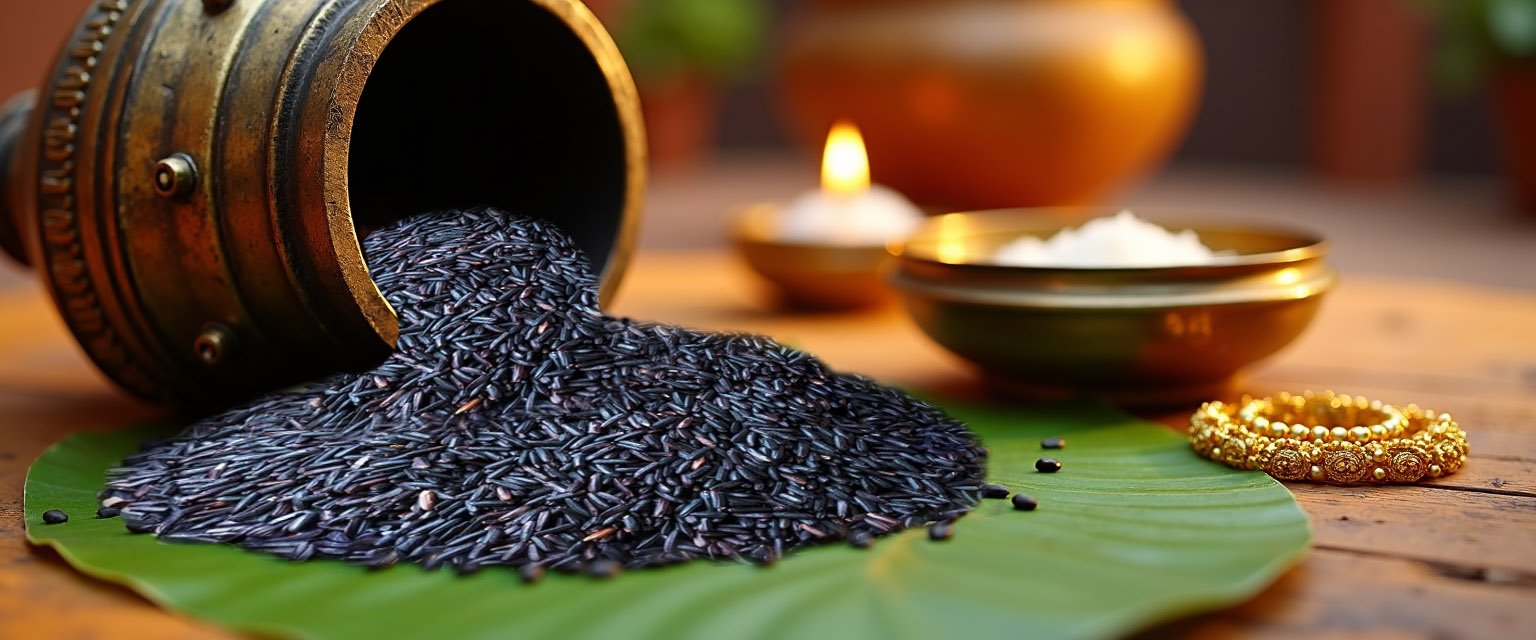
Karuppu Kavuni Rice / Black Kavuni Rice (Boiled)Move over, quinoa and kale! Deep in the fertile heart of Tamil Nadu, India, lies a grain that’s not just a nutritional dynamo but a piece of living history: Karuppu Kavuni Rice, also affectionately known as Chettinad Kavuni Rice, Black Kavuni, Forbidden Rice or poetically, “Magical Rice.” This striking, deep purple-to-black unpolished rice isn’t just a feast for the eyes; it’s a treasure trove of health benefits with roots stretching back centuries. Let’s delve into the fascinating story and remarkable advantages of this heritage grain.
A Grain Steeped in History: From Temple Offerings to Treasured Revival
Karuppu Kavuni’s history is intrinsically woven into the cultural and agricultural tapestry of Tamil Nadu, particularly the Chettinad region:
- Ancient Origins: While exact timelines are hard to pin down, Kavuni rice varieties (including the black one) have been cultivated by Tamil farmers for centuries, possibly even millennia. It belongs to the rich tradition of indigenous “navara” or medicinal rices of South India.
- The “Magical Rice” Moniker: Its deep black color, staining water a vibrant purple during cooking, earned it names like “Karuppu Kavuni” (Black Magical Rice) and “Mappillai Samba” (Groom’s Rice). Folklore suggests it was traditionally fed to grooms for strength and vitality before weddings! It was also considered sacred and often used in temple offerings.
- Near Extinction: Like many indigenous crops, Karuppu Kavuni faced near extinction during the Green Revolution of the mid-20th century. The push for high-yielding, uniform, white rice varieties led farmers to abandon these traditional, often lower-yielding but nutritionally superior landraces. Fields that once grew the dark, majestic grains were replaced.
- The Heritage Revival: Thanks to the tireless efforts of farmers’ collectives, NGOs, seed savers, and health-conscious consumers, Karuppu Kavuni is experiencing a remarkable renaissance. Recognizing its unique value – both cultural and nutritional – dedicated individuals sought out remaining seed stocks and revived its cultivation using organic and sustainable practices. This revival is not just about food; it’s about preserving biodiversity and cultural identity.
Beyond the Striking Color: The Remarkable Benefits of Karuppu Kavuni Rice
The deep purple-black hue is your first clue that this rice is packed with powerful phytonutrients. Here’s why it deserves a superfood status:
- Anthocyanin Powerhouse: This is the star of the show! The intense color comes from exceptionally high levels of anthocyanins, the same potent antioxidants found in blueberries, blackberries, and purple grapes. Anthocyanins combat free radicals, reducing oxidative stress linked to chronic diseases, aging, and inflammation.
- Superior Antioxidant Capacity: Studies show black rice varieties, including Kavuni, often have significantly higher antioxidant activity compared to brown rice and even many fruits and vegetables. This makes it a powerful ally for overall cellular health.
- Heart Health Guardian: The anthocyanins contribute to cardiovascular wellness by:
- Helping lower LDL (“bad”) cholesterol.
- Increasing HDL (“good”) cholesterol.
- Improving blood vessel function and reducing inflammation in arteries.
- The fiber content also aids in managing cholesterol levels.
- Blood Sugar Management: Karuppu Kavuni has a lower Glycemic Index (GI) than white rice and even some brown rices. Combined with its high fiber content (as it’s unpolished), it leads to a slower, steadier release of glucose into the bloodstream, making it a better choice for diabetics and those managing insulin resistance.
- Rich in Fiber: Being unpolished, it retains its bran layer, making it an excellent source of dietary fiber. This promotes healthy digestion, prevents constipation, and contributes to prolonged satiety (feeling full), aiding in weight management.
- Naturally Nutrient-Dense: Beyond antioxidants and fiber, it provides essential nutrients:
- Iron: Crucial for oxygen transport and preventing anemia.
- Zinc: Important for immune function and metabolism.
- Vitamin E: A fat-soluble antioxidant.
- B Vitamins: Including Thiamine (B1) and Niacin (B3) for energy metabolism.
- Essential Amino Acids: The building blocks of protein.
- Potential Anti-Inflammatory Effects: The compounds in Karuppu Kavuni, particularly the anthocyanins, exhibit anti-inflammatory properties, potentially helping manage conditions linked to chronic inflammation.
- Gluten-Free & Whole Grain: Naturally gluten-free, it’s a safe and nutritious staple for those with celiac disease or gluten sensitivity. As a whole grain, it delivers the full spectrum of nutrients nature intended.
Bringing the Ebony Pearl to Your Plate
Karuppu Kavuni rice has a unique, slightly nutty, and earthy flavor with a pleasant chewy texture. Because it’s unmilled and retains its bran, it takes longer to cook than white rice (usually 30-45 minutes, often requiring pre-soaking). Expect the cooking water to turn a deep, vibrant purple – a sign of those valuable anthocyanins leaching out (don’t worry, plenty remains in the grain!).
How to Enjoy It:
- Traditional Porridge (Koozh or Kanji): A comforting and nutritious breakfast.
- Steamed Rice: Serve alongside curries, dals, or stir-fries. Its striking color makes any dish visually appealing.
- Salads: Add cooked and cooled Kavuni rice to grain salads for texture and nutrition.
- Desserts: Use it in traditional Indian puddings like kheer/payasam for a unique twist.
- Idli/Dosa Batter: Often mixed with other rices/lentils for fermented foods.
The Takeaway: More Than Just Rice
Karuppu Kavuni rice is a triumph of heritage and health. Choosing it isn’t just a dietary decision; it’s an act of:
- Preserving Biodiversity: Supporting farmers who keep ancient seed varieties alive.
- Embracing Sustainable Agriculture: Often grown organically, reviving traditional methods.
- Connecting with Culture: Honoring centuries-old Tamil agricultural wisdom.
- Boosting Your Health: Nourishing your body with one of nature’s most potent grains.
So, seek out authentic Karuppu Kavuni rice from trusted sources supporting revival efforts. Embrace its deep color, savor its unique flavor, and reap the rewards of this truly magical heritage grain – the ebony pearl of Tamil Nadu. Your body and your taste buds will thank you!